
What Is Utility-Scale Solar—and Why It’s the Future

Across Texas, a new kind of energy project is rising—not with the noise of drills or the hum of engines, but in silence. Acres of solar panels are taking shape in rural towns and along forgotten highways, turning sunlight into power at a scale we've never seen before.
It’s not just an energy shift—it’s a workforce shift. And behind every installation, every inverter, every switchgear, there’s a technician who knows exactly what they’re doing.
That’s where we come in.
People Hear “Solar,” They Think Rooftops—But This Is Bigger
When people hear “solar,” they think of shiny panels on neighborhood roofs. But utility-scale solar is different. It’s not one house—it’s thousands of acres. It’s power for cities. It’s the backbone of America’s energy transition.
These are massive solar farms feeding directly into the grid—often paired with batteries the size of warehouses, silently storing megawatts of electricity for when the sun sets.
This is the scale we train for at the Training Center of Central Texas (TCCT).
The Workers Who Power the Transition
Solar can’t scale without skilled hands. And that’s where we come in.
At TCCT, we’ve built a new kind of electrician training: fast, focused, and future-ready. Sure, our students learn the fundamentals—conduit bending, blueprint reading, NEC code—but they also step into our $500,000 solar lab to train directly on Sungrow inverters, BESS units, SCADA systems, and VR diagnostics.
They learn to fly drones for inspection. They troubleshoot utility-grade outages using digital twins. Because the next generation of energy workers aren’t just electricians—they’re technicians, coders, problem-solvers.
And we’re training them now.
Why Now? Why Utility-Scale?
Because the grid is changing. Utility-scale solar is exploding across the country—especially here in Texas. EPC firms can’t hire fast enough. We’ve seen companies show up mid-program, offering jobs before our students even graduate.
And we’re not talking minimum wage. Many grads start at $70K–$90K per year. Some clear six figures with per diem.
More Than a Job—It’s a Movement
These students? They’re not just earning a paycheck. They’re helping rebuild the backbone of this country’s energy system. Utility-scale solar is about resilience—real resilience. It’s about energy independence, about communities owning their power—literally and figuratively.
And the people stepping up? They’re veterans. Single parents. Career switchers. Folks who’ve seen enough to know that this transition isn’t optional—it’s necessary. They’re not just joining the workforce.
They’re stepping into something much bigger.
So What Comes Next?
Simple: scale.
Scale the training. Scale the infrastructure. Scale the people.
We’re expanding our partnerships—with Sungrow, Leeward, and drone OEMs. We’re embedding AI and cybersecurity into our curriculum. We’re building a national pipeline of job-ready solar workers who can power the energy transition.


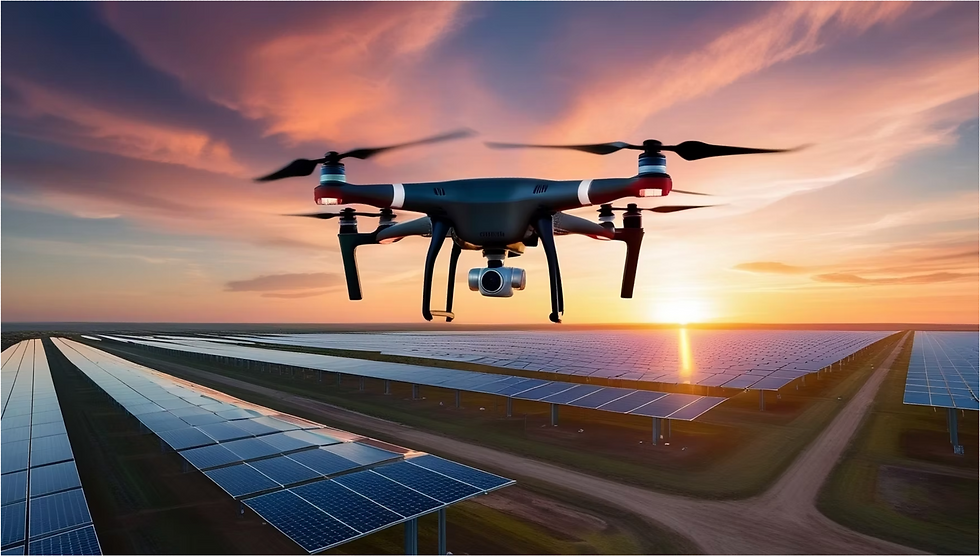
Utility-scale solar is indeed transforming the energy landscape by providing massive, reliable clean power that integrates seamlessly with the grid. Unlike rooftop solar, these large-scale installations leverage economies of scale to deliver cost-effective electricity to entire communities and industries.
Importantly, this transition is not only about technology but also about workforce development. Skilled technicians and operators are essential to maintaining these complex systems—from panel installation to advanced battery management—and TCCT’s commitment to hands-on training ensures that our workforce is prepared to meet this demand.
With Texas leading the nation in solar potential, programs like TCCT’s are key to cultivating the talent pool necessary to support continued growth in renewable energy infrastructure and grid resilience. This aligns directly with evidence-based projections…